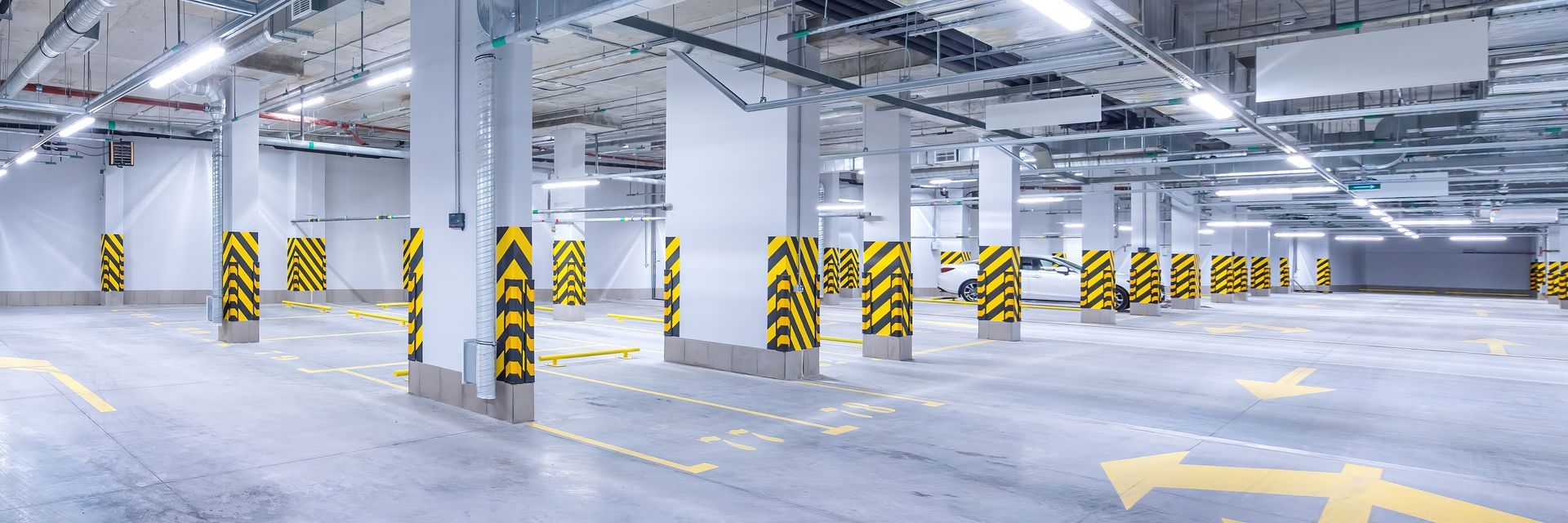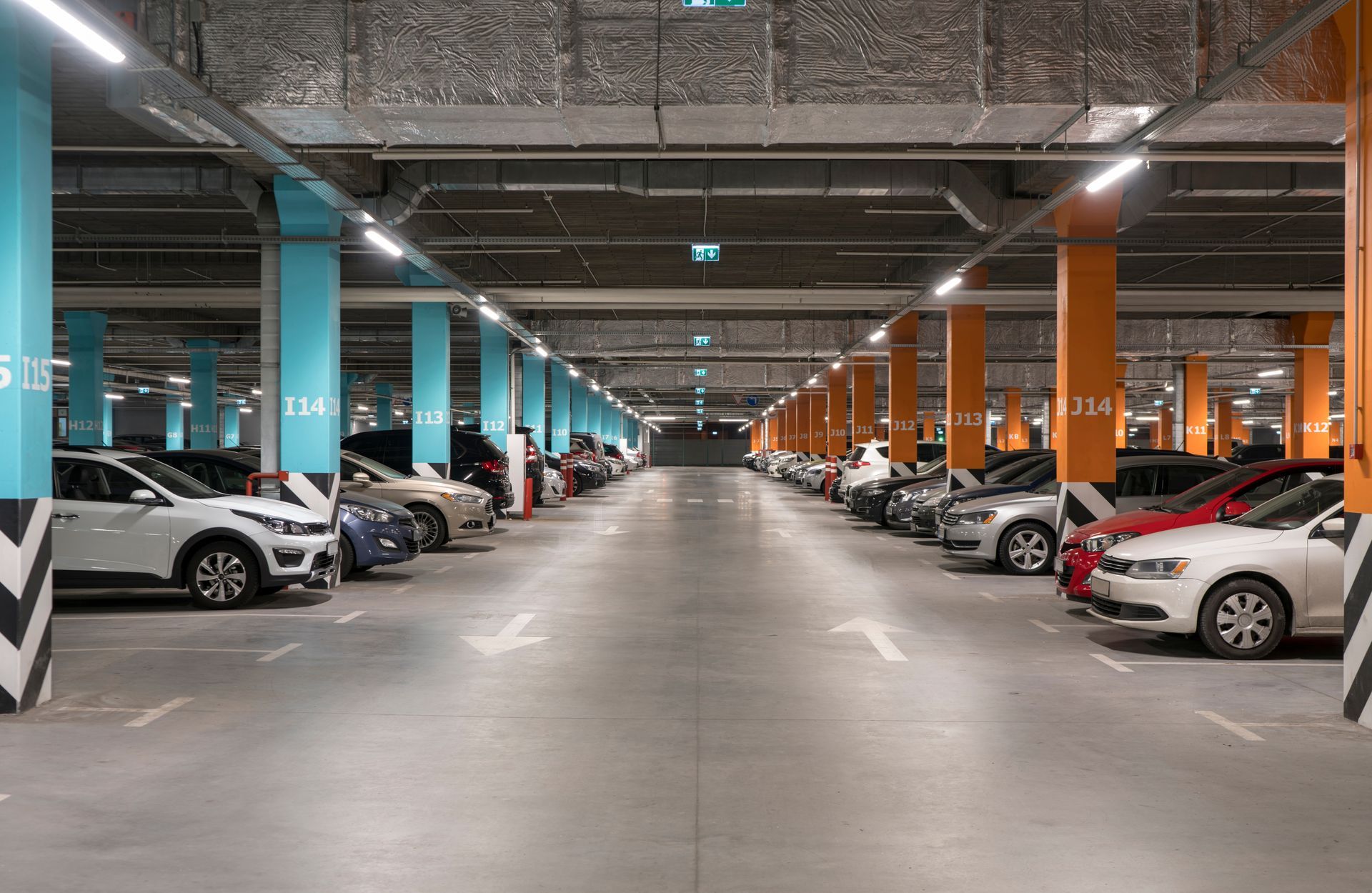
Parking garage deck restoration typically costs 40-60% less than full replacement while extending structure life by 15-20 years, making it the preferred choice for most commercial properties in Schenectady, NY facing concrete deterioration.
How Does Concrete Deterioration Progress in Parking Structures?
Concrete deterioration in parking garages begins with water infiltration through cracks, which accelerates when freeze-thaw cycles and road salt exposure compromise the protective surface layer.
Water seeps into hairline cracks and expands during winter freezing, creating larger fissures that expose steel reinforcement to corrosive elements. Road salt from vehicles accelerates this process by breaking down the concrete's alkaline protection and attacking embedded rebar. Once corrosion begins, the steel expands and creates additional cracking in a cycle that compounds structural damage.
Early intervention through restoration prevents this cascade effect and preserves the underlying structural integrity of your parking facility.
When Should You Consider Restoration Instead of Replacement?
Restoration makes financial sense when concrete deterioration affects less than 30% of the deck surface and the underlying structural system remains sound without significant load-bearing compromise.
A structural engineer can assess whether your parking garage qualifies for restoration by examining the extent of spalling, delamination depth, and rebar corrosion levels. Facilities with isolated problem areas, surface-level cracking, or minor concrete loss typically benefit most from targeted restoration work. Post-tensioned concrete structures require specialized evaluation to determine if cable systems remain intact and functional.
Property owners looking to find concrete rehabilitation help in Schenectady should schedule structural assessments before winter weather worsens existing damage.
What Does the Restoration Process Include?
Comprehensive parking garage restoration involves removing deteriorated concrete, treating corroded reinforcement, applying repair mortars, and installing protective traffic coatings to prevent future water infiltration.
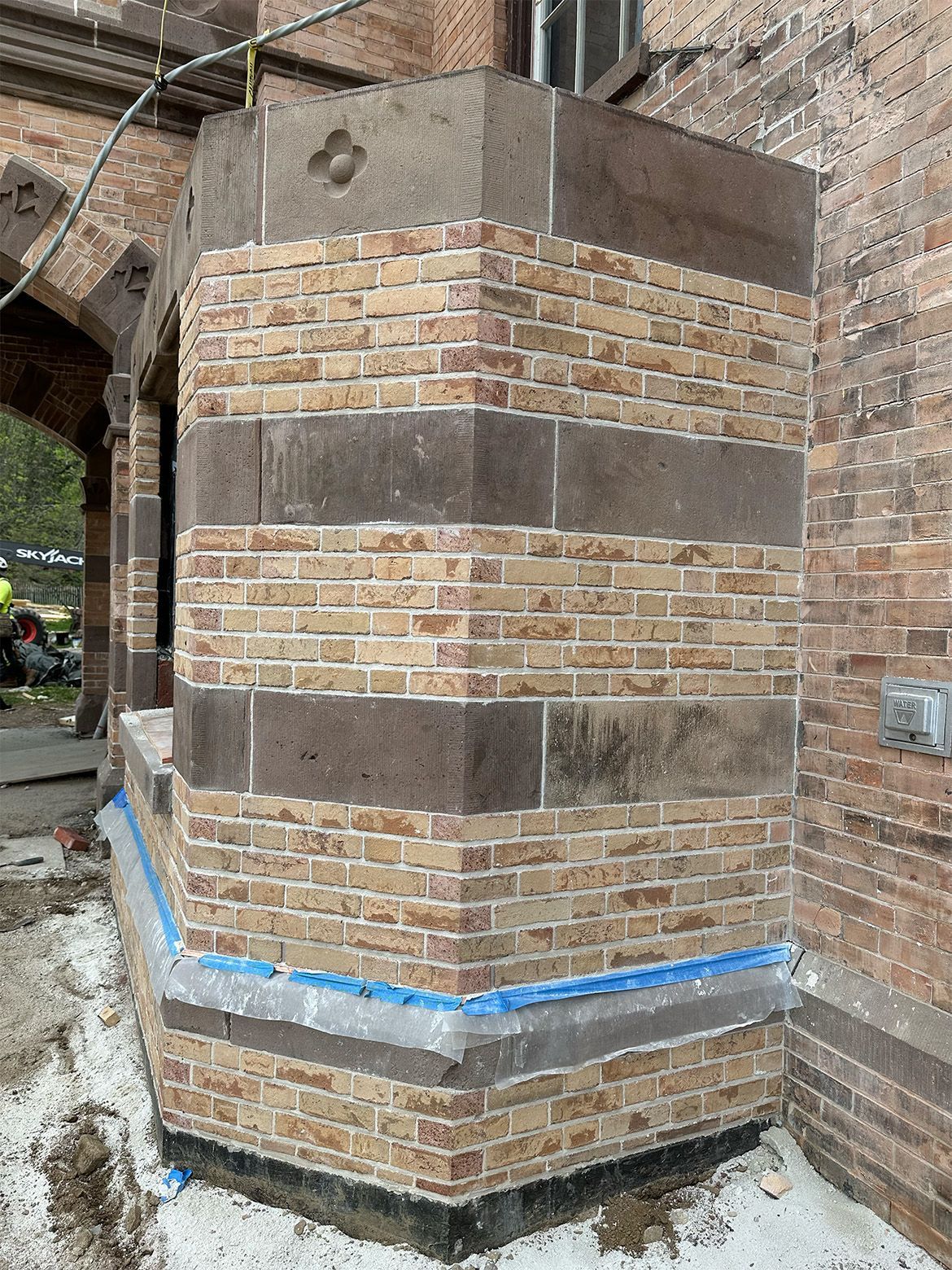
Contractors begin by identifying all damaged areas through sounding surveys and visual inspection. Deteriorated concrete gets removed to expose clean rebar, which receives corrosion-inhibiting treatments before new repair mortar application. Traffic coatings create a waterproof membrane that blocks chloride penetration while providing slip resistance and UV protection. Joint sealants prevent water migration between concrete sections.
The entire process typically takes 4-8 weeks depending on deck size and damage extent, with work often phased to maintain partial facility access throughout the project.
Which Weather Factors Affect Schenectady Parking Garage Longevity?
Schenectady's harsh winters with average temperatures below freezing for four months annually create severe freeze-thaw stress on parking garage concrete, while heavy snowfall and road salt application accelerate deterioration rates.
The region experiences approximately 60 freeze-thaw cycles per winter season, each causing water trapped in concrete pores to expand and contract. Municipal and private snow removal operations deposit chloride-laden slush throughout parking structures, creating constant exposure to corrosive agents. Spring runoff compounds the problem by saturating concrete with contaminated water that penetrates deeper into the structure.
Regular inspection and maintenance become critical in this climate to catch problems before they require extensive intervention.
Protecting Your Investment
Proactive restoration extends parking garage service life while avoiding the operational disruption and capital expense of full replacement. Most commercial facilities see restoration costs recovered through extended asset life within 3-5 years compared to replacement scenarios.
PCC Contracting provides comprehensive concrete rehabilitation services for commercial parking structures throughout the Capital Region. Schedule a structural assessment to determine the most cost-effective approach for your facility.